
Cities can grow in more ways than one. Tucker has expanded its boundaries over the past decade, bringing in those who want what the city has to offer, but communities also grow from within by improving the places they already have and creating opportunities that didn’t exist before. The results make them more desirable places to live, work and play.
Tucker’s parks and recreation system may be one of the clearest examples of incremental improvements with far-reaching impact. A growing strength hidden in plain sight.
Tucker Didn’t Just Inherit Parks. It Started Building a Parks System.
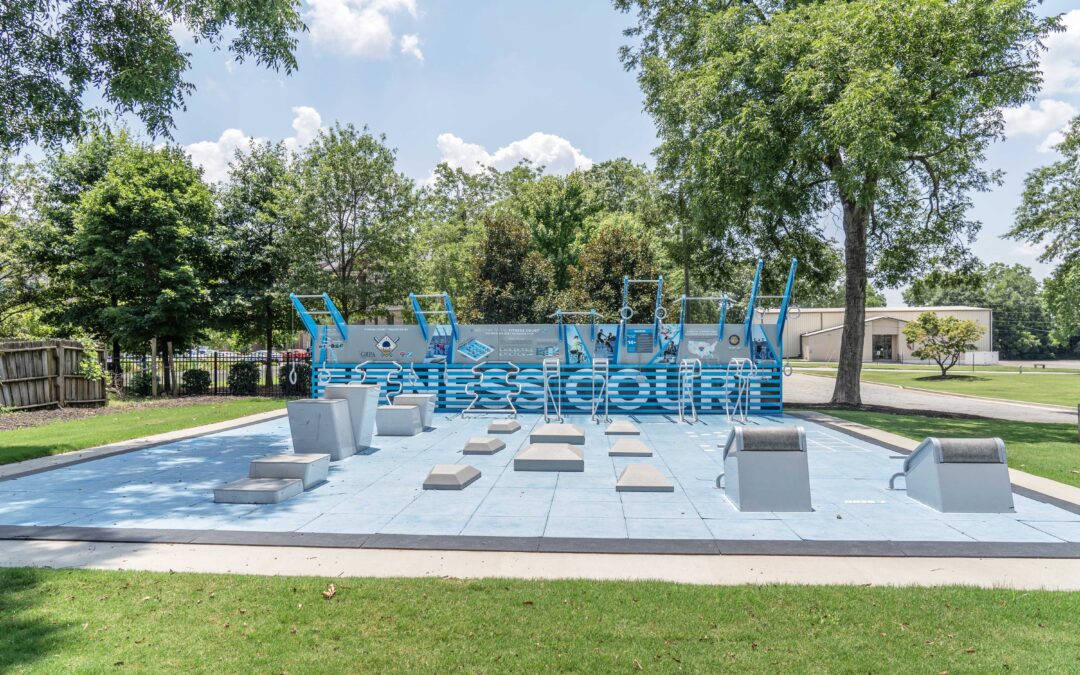
When the City assumed responsibility for parks and recreation in 2018, it inherited roughly 260 acres across 13 parks. Today, Tucker has more than 293 acres of green space. That is an increase of about 13% in less than a decade. Along the way, it has replaced playgrounds, improved athletic fields, renovated recreation facilities, expanded programming, acquired additional property and invested millions of dollars in projects ranging from Johns Homestead and Henderson Park to Fitzgerald Park and the new Tucker Town Green.
Last year the City of Tucker’s recreation center had over 36,000 visitors, sports programming had over 1,900 participants, and youth camps had more than 1,750 participants. Each of those interactions strengthens the local connection and increases the amount of time spent in Tucker.
Parks Are More Than Land
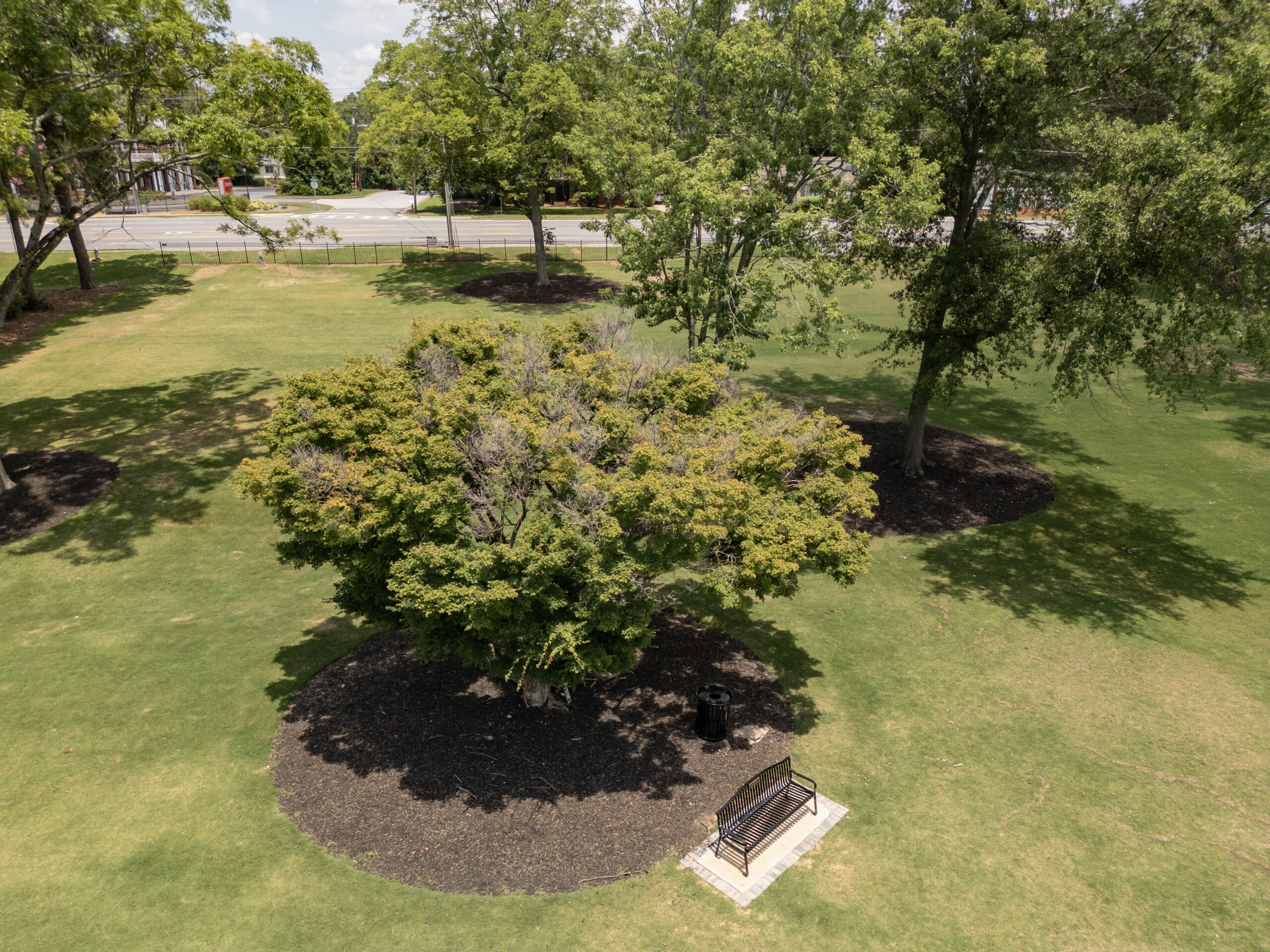
The acreage matters, but a successful parks department is more than a landlord. Sometimes its value becomes most visible when someone in the community has an idea and is willing to do the work to carry it out.
Tucker’s parks were supported by community groups for years before the city was incorporated. That community-driven focus has continued across the parks system.
This year, Tucker resident Andrea Wahl approached the City’s Parks and Recreation Department after her seven-year-old daughter decided she no longer wanted to play in the local baseball league. She wanted an opportunity to play with other girls.
Wahl asked about starting a girls’ softball league. The City told her that if she could find 12 interested players, registration could be opened. By the end of the spring, 65 girls had expressed interest.
Wahl supplied the idea, enthusiasm and effort. But she did not have to acquire property, build ballfields or create a recreation department. Tucker already had the fields, staff and public infrastructure necessary to help turn an individual resident’s idea into a community program.
The full story is worth reading: Rough Draft Atlanta: “New Tucker girls softball league to launch this fall”.
Why It Matters to Businesses in Tucker
Wise business owners understand that investments in parks and trails, when done right, have a direct impact on their bottom line.
Parks are usually discussed in terms of recreation, quality of life and conservation. Increasingly, they are also being recognized as economic infrastructure. The BeltLine is the prime example in metro Atlanta of a trail development for transportation, vastly increasing the capacity of an area and creating opportunities for businesses.
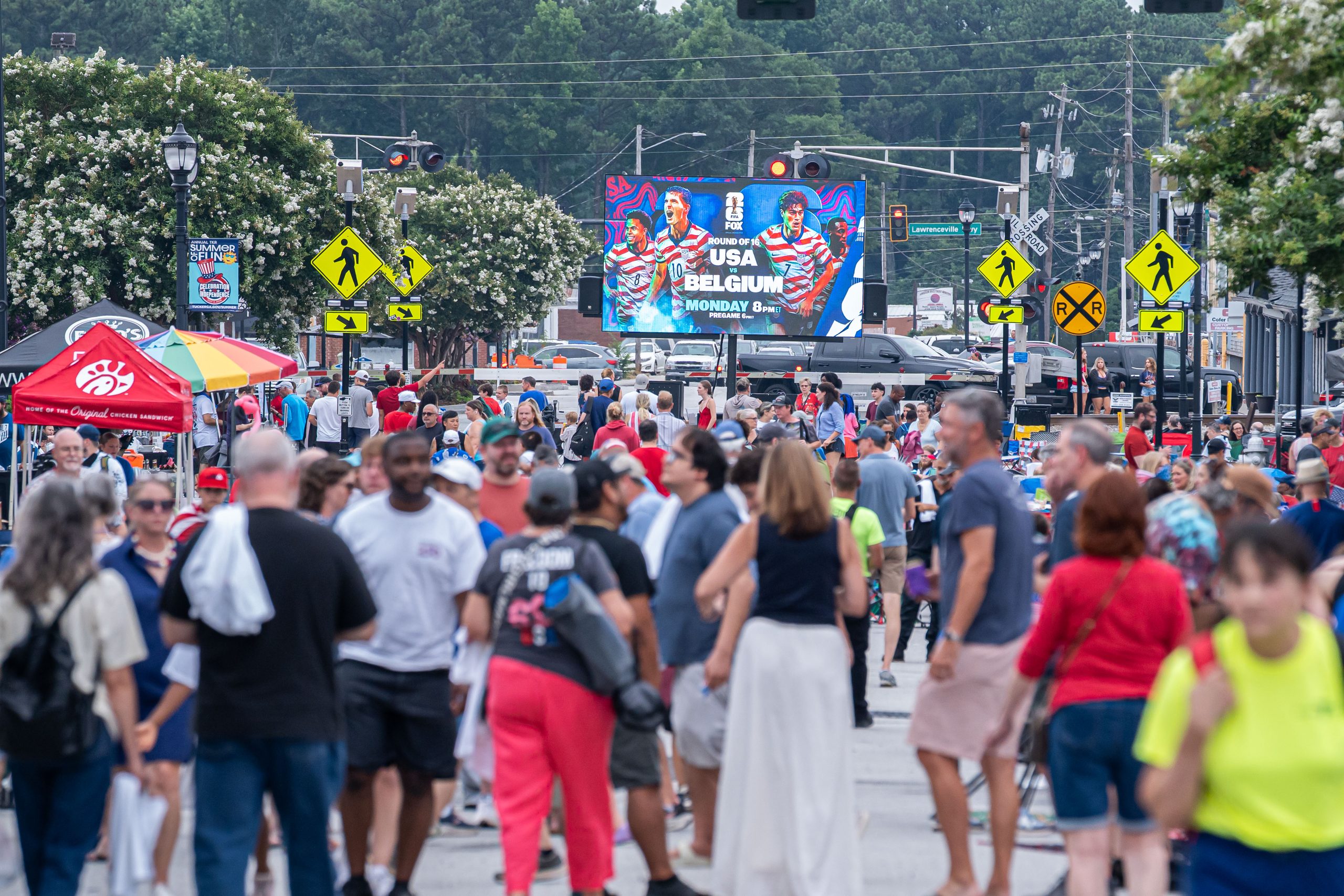
On a smaller scale, the Tucker Town Green has accelerated business interest in Downtown Tucker, with Nicky’s Undefeated, Infinite Horizons Arcade, StillFire Brewing, the JW Collection, and others choosing Tucker in part because of the Town Green.
“People tend to spend their money where they spend their time,” says Matthew Lee, executive director of the Tucker-Northlake CID. “If a community has good offerings for their families, they choose to move there and, if possible, work there as well. Reducing commute times as a result of being closer to home can increase quality of life. That tends to result in greater productivity in the workforce.”
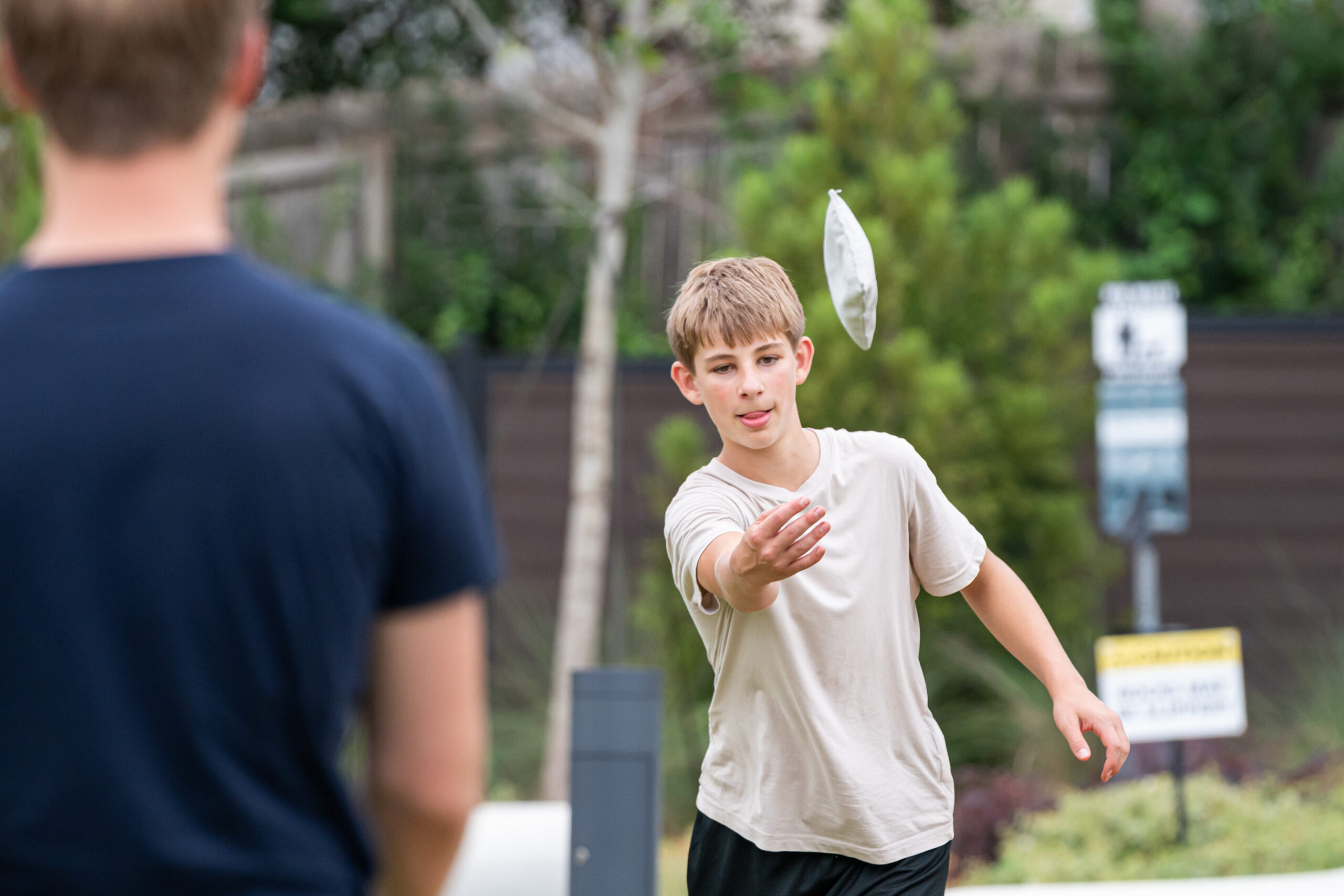
“There is also a level of social accountability that comes from being part of a team. Summer camps and sports teams are important training grounds for kids to learn leadership skills and restraint. They learn to accept losses, take healthy risks, and support each other. That translates into a stronger sense of identity as young adults furthering their education and entering the workforce.”
Return on Investment for the Entire Community
The Trust for Public Land’s 2026 research found that every $1 spent by public agencies on parks and recreation annually produced at least $3 in economic benefits among the large U.S. cities it studied. Those benefits included reduced healthcare and stormwater costs, recreation savings, increased tax revenues and economic activity.
The National Recreation and Park Association found that local park and recreation agency operations and capital spending generated nearly $201 billion in economic activity and supported more than 1.1 million jobs nationally. Those numbers do not include several additional benefits associated with parks, including increases in real estate values, tourism and health benefits.
The organization’s 2025 Engagement With Parks Report found that an estimated 227 million adults visited a local park or recreation facility in 2025, demonstrating how closely these public spaces remain integrated into community life.
Commercial Property Owners Have a Stake in Tucker’s Parks
Tucker is fortunate to have a strong business community of commercial property owners who pay 50% of property taxes, in addition to standard local fees paid in every city across the state. The creation of the City of Tucker requires those taxes and fees paid by commercial property owners to be spent nearby.
The creation of the Tucker Town Green has provided a direct return on taxation, not only for the surrounding retail and restaurants, but for businesses across the city.
Keeping Tax Dollars Close to Home for a Better Return
Local investment in parks can return value in more than one way. Tucker Town Green gives people a reason to spend time downtown, where businesses can serve them. Existing fields and staff helped a resident turn an idea into a softball league that drew interest from 65 girls.
Wise planning and local investment can also help Tucker pursue federal funding for larger projects, extending the value of local tax dollars.
One return is economic activity. Another is a community where families find opportunities close to home. Both matter to the businesses and commercial property owners investing in Tucker.